E-commerce Development Trends: The Future of Online Shopping in 2024
The e-commerce landscape is evolving at an unprecedented pace, driven by technological advancements, changing consumer behaviors, and the global shift towards digital commerce. As we move through 2024, several key trends are reshaping how online stores are built, operated, and experienced by customers.
From headless commerce architectures to AI-powered personalization, from progressive web apps to voice commerce, the future of e-commerce is being written by innovative technologies and forward-thinking development approaches. Understanding these trends is crucial for businesses looking to stay competitive in the digital marketplace.
1. Headless Commerce Architecture
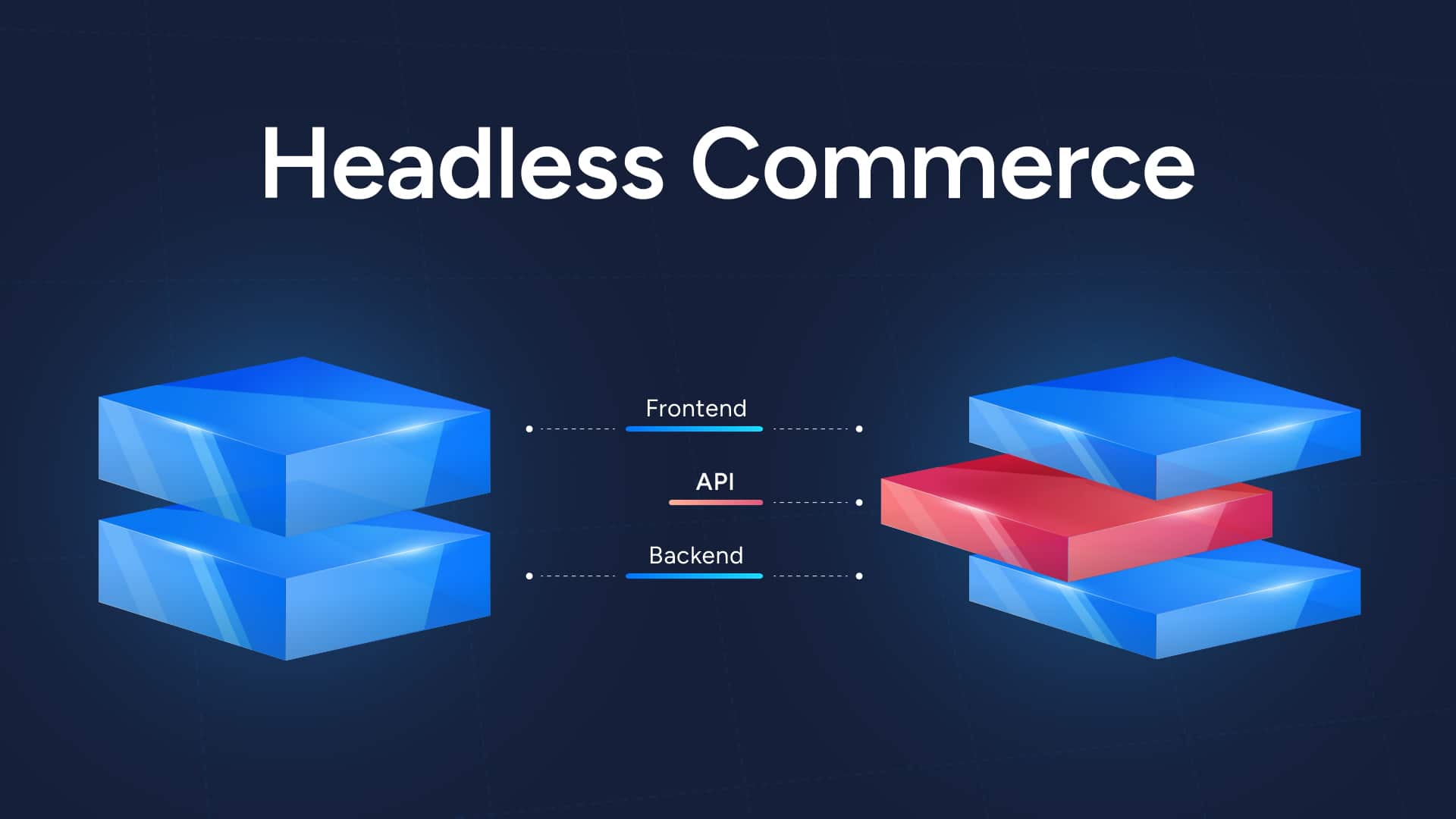
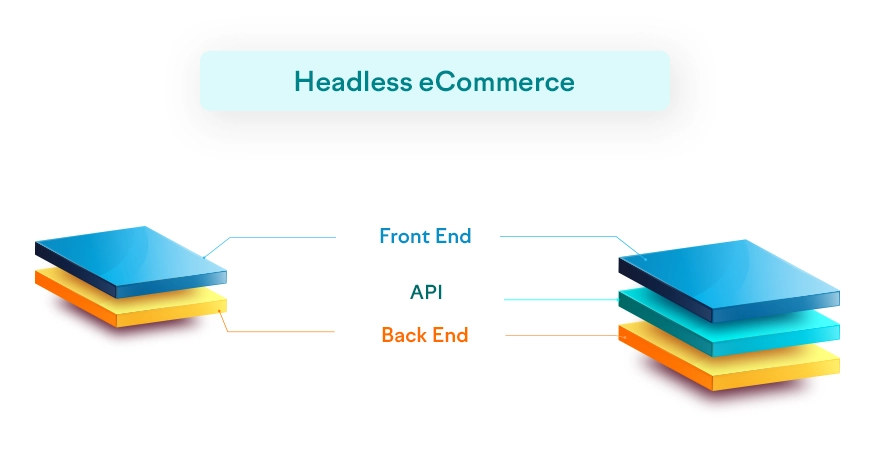
Headless commerce separates the frontend presentation layer from the backend e-commerce functionality, allowing developers to create custom user experiences while maintaining robust e-commerce capabilities. This architecture provides unprecedented flexibility in design and user experience while ensuring scalability and performance.
- Decoupled frontend and backend for maximum flexibility
- API-first approach enables omnichannel experiences
- Better performance through optimized frontend frameworks
- Easier integration with third-party services
- Future-proof architecture that adapts to new technologies
Headless commerce is not just a trend; it's the future of e-commerce development that gives businesses the freedom to create unique, engaging shopping experiences.
The headless approach is particularly valuable for businesses that need to maintain consistent experiences across multiple platforms, including web, mobile apps, IoT devices, and emerging technologies like AR/VR shopping experiences.