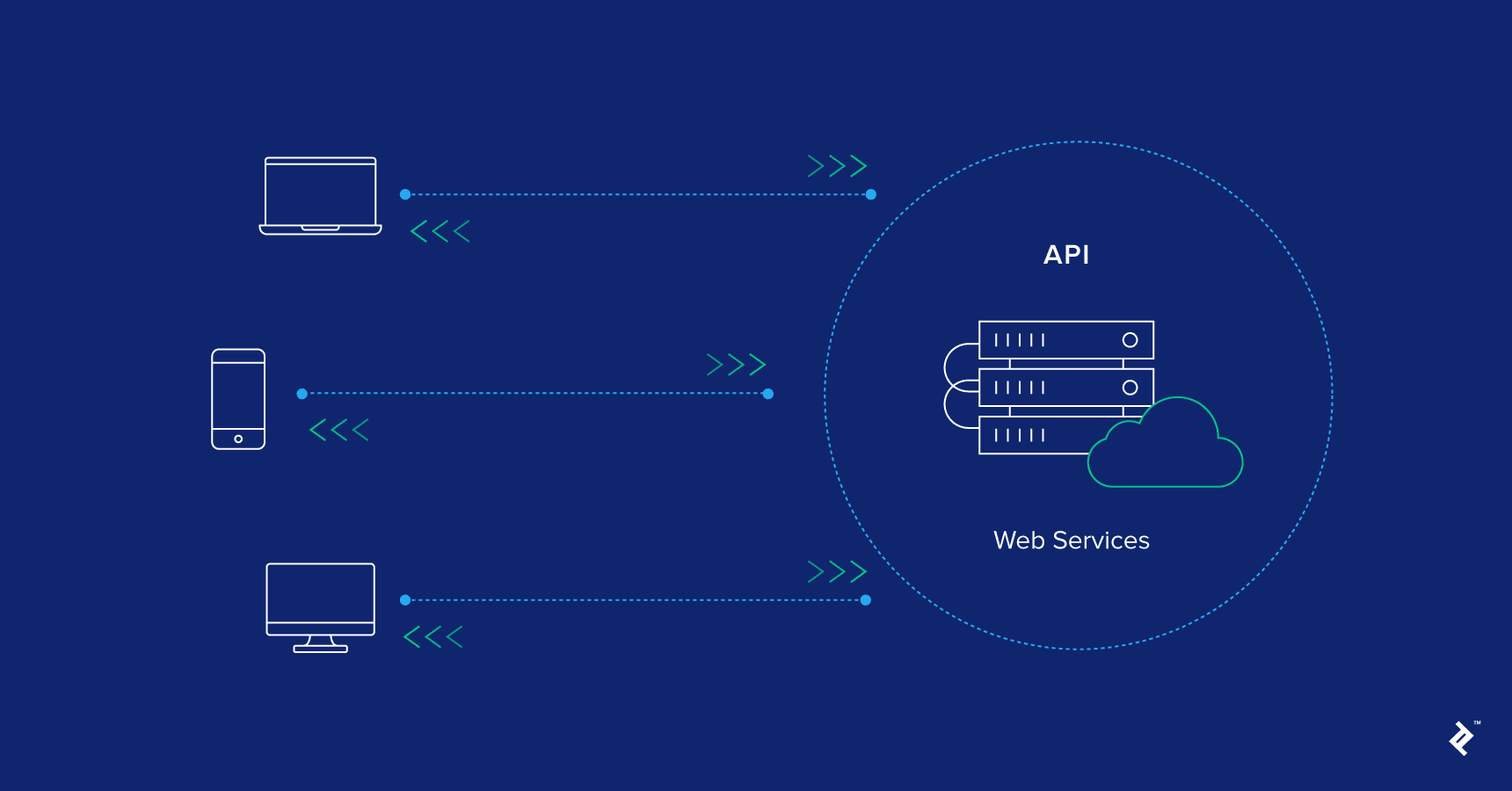
API Design Best Practices: Building Scalable and Maintainable APIs
API design is a critical aspect of modern web development that directly impacts the success of your applications. Well-designed APIs are not only easier to use and maintain but also provide better performance, security, and scalability. In this comprehensive guide, we'll explore the essential best practices that every developer should follow when designing APIs.
From RESTful principles to GraphQL considerations, from authentication strategies to error handling, we'll cover all the aspects that make an API truly professional and developer-friendly. Whether you're building internal APIs for your team or public APIs for third-party developers, these practices will ensure your API stands out for its quality and usability.
1. RESTful Design Principles
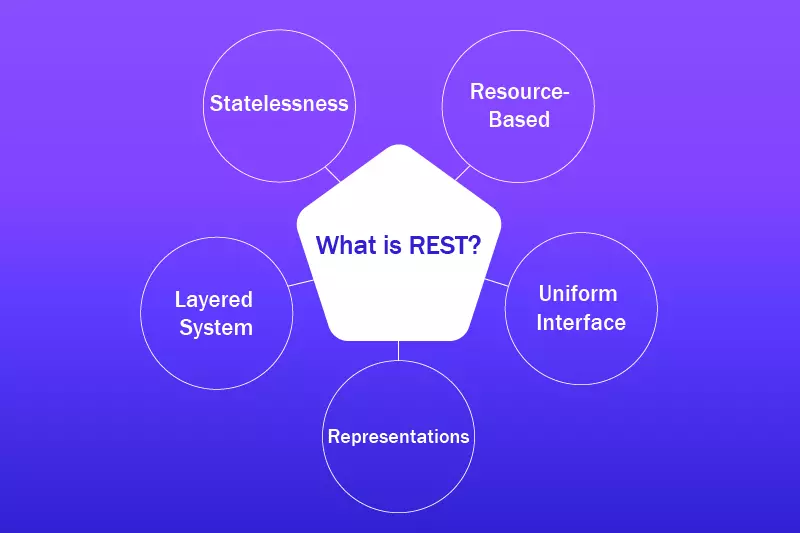
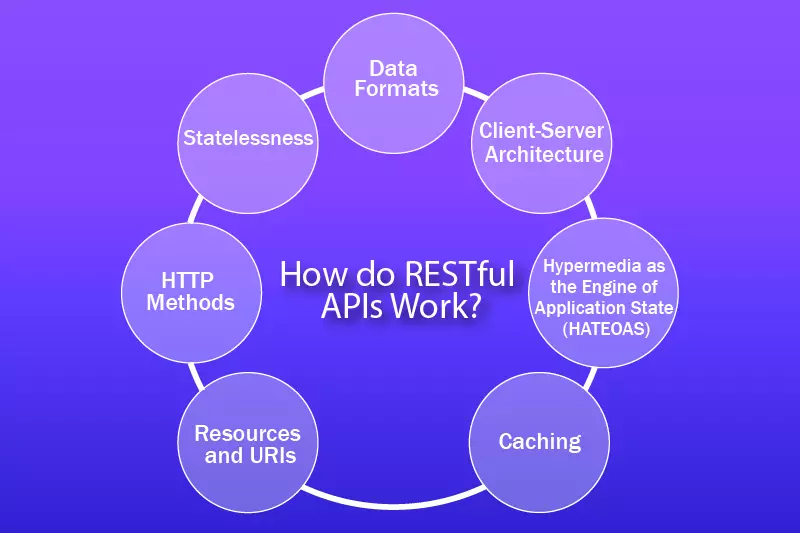
RESTful APIs follow a set of architectural principles that make them intuitive and easy to use. The key principles include using HTTP methods correctly (GET, POST, PUT, DELETE), designing resource-based URLs, implementing proper status codes, and ensuring statelessness.
- Use HTTP methods semantically (GET for retrieval, POST for creation)
- Design resource-based URLs (/users instead of /getUsers)
- Implement proper HTTP status codes (200, 201, 400, 404, 500)
- Ensure statelessness - each request contains all necessary information
- Use plural nouns for resource collections
A well-designed RESTful API should be so intuitive that developers can understand how to use it without reading extensive documentation.
Beyond the basic principles, consider implementing features like pagination for large datasets, filtering and sorting capabilities, and consistent error response formats. These additions make your API more professional and easier to integrate with.